Bali's Barter-Deal Crackdown: Influencer Visa Rules for 2026
- Anushka Lockhart
- Jun 14
- 5 min read

Short version: no, you can no longer trade a free villa stay for a few Reels on a tourist visa in Bali - and as of 2026, immigration is actively checking. If your Canggu trip involves a brand collaboration, a sponsored shoot, or a "we'll host you in exchange for content" arrangement, the standard Visa on Arrival does not cover you. It never really did. What changed in 2026 is that someone is now enforcing it.
In April 2026, Bali's immigration office launched a patrol unit called the Dharma Dewata task force. In its first three weeks it detained 62 foreign nationals. It operates across Canggu, Ubud, Seminyak, Kerobokan and Uluwatu - the exact neighbourhoods where the creator economy lives - and it reads Instagram. Tagged hotels, sponsored captions and barter shoots are now treated as evidence, not lifestyle.
If you are coming to Bali to lie by a pool and eat your weight in nasi campur, none of this touches you. If you are coming to "work remotely" or "shoot some content while you're here," keep reading. The rules tightened, the penalties are real, and there is a legal way to do this properly.
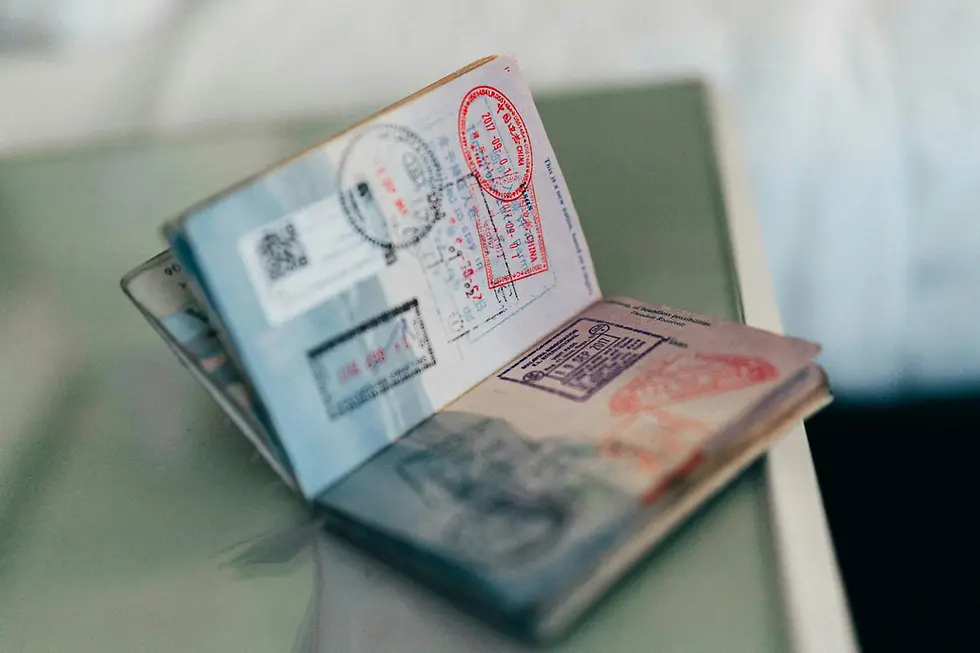
What the Dharma Dewata task force is actually doing
For years, Bali ran on a quiet understanding. Influencers arrived on tourist visas, partnered with villas and beach clubs for "barter deals" - a free room or a comped dinner in exchange for posts - and nobody asked questions. That understanding is over.
The task force does three things: it patrols the expat hubs in person, it monitors social media for commercial activity, and it detains people. Between 1 January and 5 May 2026, Indonesia's immigration directorate recorded 6,779 enforcement actions against foreign nationals. Of those, 2,026 ended in deportation or permit cancellation, and 1,323 people were added to the immigration blacklist. This is not a press release. It is an operation.
Felucia Sengky Ratna, who heads Bali's regional immigration office, has been blunt about it: ignorance of the rules is not a defence. The island is open to creators - it simply wants the paperwork to match what you actually came to do.
The part that has caught the most people off guard is the social-media monitoring. Officers do not have to catch you mid-shoot; a publicly posted Reel tagging a beach club, a sponsored caption, or a "hosted by" credit can be used as grounds for scrutiny after the fact. The content you posted to grow your audience is the same content that flags you. That is a genuinely new enforcement tool, and it is why a trip that felt fine in 2024 can land very differently in 2026.
What now counts as "work" (and why "but I wasn't paid" won't save you)
The single biggest misunderstanding is that money has to change hands for something to count as work. It does not. Indonesian immigration has been explicit: any activity that creates promotional or economic value for a business can be classified as work, paid or not. In practice, that net catches a lot of what passes for a normal Canggu content trip:
Sponsored Instagram posts and Reels
Brand collaborations of any kind
Barter stays - a free villa, room or meal in exchange for content
Professional photo and video shoots
Unpaid "portfolio" shoots and content made to win future work
DJ sets, yoga teaching and workshops, paid or not
The "I only got a free room" defence - the backbone of influencer travel for a decade - is exactly the thing they have closed. Your tourist levy receipt does not help either; immigration has clarified that the levy grants entry, not the right to work. The officers are looking at the purpose of the activity, not the bank transfer behind it.
The legal way to make content in Canggu
The crackdown is not a ban on creators. It is a demand that you carry the right visa. Two routes matter, and which one is yours depends on who is paying you.
The C5A Content Creator Visa is built for exactly this - influencers, YouTubers, filmmakers and creators doing sponsored or collaborative work. It is a single-entry visa good for 60 days, extendable twice, for a total stay of up to 180 days. You apply from outside Indonesia and should budget two to four weeks for processing, which means it goes on the to-do list before you book flights, not after.
The E33G Remote Worker Visa suits a different person: someone earning from overseas clients rather than local ones. It lasts a year, is renewable, and requires proof of roughly USD 60,000 in annual income. The catch is in the fine print - it does not cover collaborating with Indonesian hotels, villas or sponsors. If your income comes from a Balinese beach club, this is not your visa; a working KITAS sponsored by that business is. The honest summary: if a Bali business is getting value from your content, you need a visa that says so.
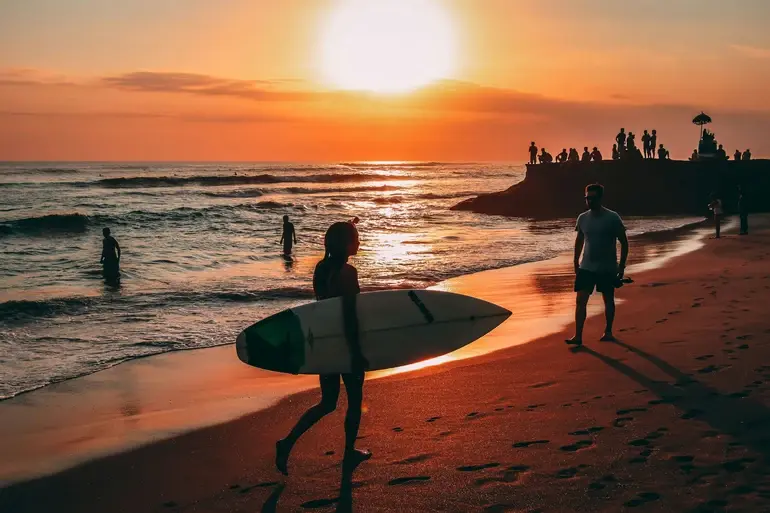
What this means if you're booking a villa for a content trip
We run two villas in Padonan, the quiet end of Canggu, and we get the barter pitch most weeks - a free stay in exchange for a "feature." We have always said no, and 2026 turned that into the only sensible answer. A barter stay now exposes both sides: the creator to detention and a ban, the property to questions it would rather not field.
None of which means leave the camera at home. Plenty of guests film here - they are on the right visa, or they are simply documenting their own holiday for their own feed, which is nobody's business but theirs. The line is commercial intent. Shoot your trip; do not shoot a campaign on a tourist stamp.
If you are a creator who wants to work in Bali properly, sort the C5A first, then book somewhere you have actually paid for. It is cleaner for everyone - and the content tends to be better when you are not glancing over your shoulder between takes. It also resets a relationship that had quietly soured: villas and beach clubs spent years fielding barter pitches that cost them rooms and revenue for exposure that rarely converted. A paid guest with the right visa is simply a better arrangement on both sides.
The free-villa-for-a-Reel era didn't get banned in 2026. It got enforced. The rule was always there - now there's someone reading your captions.
Frequently asked questions
Can I post on Instagram in Bali on a tourist visa?
Posting your own holiday photos is fine. What is not fine is content that promotes a business - a tagged hotel collaboration, a sponsored caption, a barter stay. Personal posts are tourism; commercial posts are work.
Is a barter villa stay illegal in Bali in 2026?
If you receive the stay in exchange for promotional content, immigration now treats it as work, even though no money changes hands. To do it legally you would need a C5A Content Creator Visa rather than a tourist visa or Visa on Arrival.
What visa do I need to create content in Canggu?
The C5A Social Media Content Creator Visa - 60 days, extendable to a total of 180 - for sponsored or collaborative work. Remote workers earning only from overseas clients use the E33G instead. Either way, apply before you arrive; processing takes two to four weeks.
What happens if you're caught working on a tourist visa in Bali?
Penalties range from fines and visa cancellation to detention, deportation and entry bans of up to ten years, with a permanent blacklist in serious cases. In the first three weeks of the 2026 task force, 62 foreign nationals were detained.
Planning a Canggu trip, camera or no camera? Book a villa you do not owe anyone a post for - three bedrooms, a private pool and the quiet end of Canggu, priced honestly with nothing bartered.


Comments